![TurboCharge Conversion Cable GX16-3F[13] to GX16-3M[12] / RGX16-2F[12]](https://d2j6dbq0eux0bg.cloudfront.net/images/60508924/products/804016848/5474410794.jpg "TurboCharge Conversion Cable GX16-3F[13] to GX16-3M[12] / RGX16-2F[12]")
TurboCharge Conversion Cable GX16-3F[13] to GX16-3M[12] / RGX16-2F[12]
SKU TC-CONVERT-GX16-3F/12-GX16-3M-13
AU$25.45
Variant
Do you acknowledge note #2 (Best practice charging port safety)?
Enter your text
Allows eScooters with GX16-3M 1&2 pin charging port to be charged with more common 1&3 chargers (select Dragon) or older GX16-3M 3-pin socket to be charged with NAMI charger (RGX16-2M)
In stock: 20 available
1
Save this product for later
Customer reviews
Reviews only from verified customers
No reviews yet. You can buy this product and be the first to leave a review.
TurboCharge Conversion Cable GX16-3F[13] to GX16-3M[12] / RGX16-2F[12]
Product Details
Brand: TurboCharge
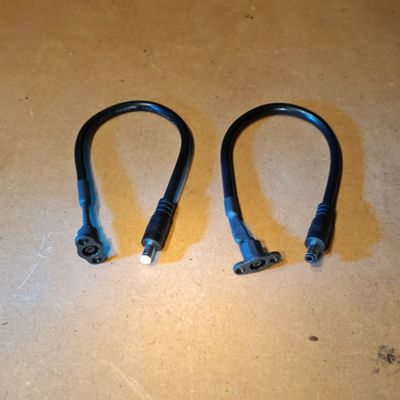
- The TurboCharge Conversion Cable GX16-3F[13] to GX16-3M[12] / RGX16-2F[12] are prepared leads available in two variants:
- GX16 3-Pin Female [12] from GX16 3-Pin Male [13]:
Allows eScooters with the less common GX16 3-pin male (1 +ve, 2-ve) charging port to be charged from more common chargers that have GX16 3-pin female (1 +ve, 3 -ve) plug.- The GX16 3-Pin in this less common [12] implementation has pin 1 +ve, 2 -ve. Implemented on select make/models such as:
- Dragon/Langfeite models:
- Dragon GTS builds 23: 1-295, 24: 1-0412.
- Dragon GTS V2 builds: 23: 1-120.
- Dragon GTR builds: 23: 1-375, 24: 1-0417.
- Dragon GTR V2 builds: 23: 501-1620, 24: 1-1297.
- Dragon Predator builds: 22: 1-40, 23:1-420.
- Dragon Lightning V2 builds: prior to 24: 31.
- Dragon Beast builds: prior to 24: 16.
- Dragon/Langfeite models:
- The GX16 3-Pin in this less common [12] implementation has pin 1 +ve, 2 -ve. Implemented on select make/models such as:
- GX16 3-Pin Female [13] to NAMI RGX16 2-Pin Female [12]:
Allows NAMI 2-pin charger (Reverse GX16 2-pin male) to charge eScooters with older GX16 3-pin [13] male socket.- The GX16 3-Pin male charging port was the predominate socket fitted to eScooters prior to 2025. This cable enables scooters with that older port to be charged by a NAMI charger that has a male Reverse GX16 2-pin plug. Suits the common GX16 3-pin 1+ve, 3-ve configuration (use both cables concurrently for the relatively uncommon [12] configuration.
- 20-25cm length.
- The cables use heavy gauge wire (typically AWG16-17 wire gauge which is 1.0-1.04mm² per conductor) to support fast charging without generating excessive heat, with exception to the lite versions. Light has 20AWG (0.5mm²), suitable for standard charge.
- Factory fabricated by the TurboCharge charger manufacturers for eSN. One of our eSN2026#JP-CN launch products, from Mission March 2026.
Notes:
- Reference Materials for TurboCharge has further details on the connectors and more specifics on the Langfeite/Dragon on the dedicated page.
- Best practice and charging port safety:
To ensure safe use and conformance to certification, ensure you always connect this cable to the charger prior to inserting into the eScooter charging port. In most instances you will keep this cable permanently attached to the scooter. If you are using your charger to charge other eScooters (with different plugs), when removing ensure you disconnect this cable from the eScooter charging port. For the cable that connects to GX16 3-pin chargers, do not leave the male end of the cable exposed as those pins you see on that plug, when connected to eScooter charging port are live. This is why all eScooter manufacturers have progressed to the newer black plastic plugs, or a Reverse GX16 2-pin such as that on modern NAMI builds.
Ensure you acknowledge this important safety advice in order to progress an order of this product.
Background: The design intent of newer black plastic charging ports are such that they do not expose conductors of the pins externally, so as to reduce potential for the pins from shorting. For example, child inserting metal screwdriver into port. The line is typically live at relatively high voltage. If pins are shorted, a significant amount of current can be drawn. The phenomenon known as an arc fault, throws an arc flash where intense heat (reaching over 19,426°C) vaporizes the conductor material, instantly changing it from a solid to a gas before it solidifies again as molten droplets. The metal released, vaporized, or expelled when an electrical plug shorts out is commonly referred to as molten metal (liquefied copper), metal spray, or arc shrapnel. Shrapnel/Debris, typically solid metal is ejected by the pressure wave of the arc and poses risk similar to that of hot embers in bushfire. A black soot or residue results from the condensed vaporised metal and typically the pins no longer exist in their original form (absent) or significantly damaged (which if continued to be used pose risk of generating excessive heat. - The rationale for pin #2 being adopted for -ve likely arose to differentiate from the convention used in higher voltage 60v and 72v systems. As such, typically the use of pin 2 as -ve tends to be applicable to lower relatively voltage models. Dragon, and many others transitioned from GX-16 charging port to black moulded socket which is safer due to having female gender. For example, Dragon transitioned to a 4-pin JY20 connector. NAMI was one of the first to adopt a female charging port, which is the reverse GX16 2-pin.
You May Also Like
![TurboCharge Conversion Cable GX16-3M[13] to Dragon Langfeite [YJ20], NAMI [RGX16-2], Kaabo LT, Teverun / Dualtron [BM], INMOTION S1 / Raptor X / Dragon Eagle [L9], Ausom / VSETT Apex / MUKUTA & 8mm](https://d2j6dbq0eux0bg.cloudfront.net/images/60508924/products/804016834/5473270349.jpg "TurboCharge Conversion Cable GX16-3M[13] to Dragon Langfeite [YJ20], NAMI [RGX16-2], Kaabo LT, Teverun / Dualtron [BM], INMOTION S1 / Raptor X / Dragon Eagle [L9], Ausom / VSETT Apex / MUKUTA & 8mm")
![TurboCharge Conversion Cable GX16-3M[13] to Dragon Langfeite [YJ20], NAMI [RGX16-2], Kaabo LT, Teverun / Dualtron [BM], INMOTION S1 / Raptor X / Dragon Eagle [L9], Ausom / VSETT Apex / MUKUTA & 8mm](https://d2j6dbq0eux0bg.cloudfront.net/images/60508924/products/804016834/5473269668.jpg)
TurboCharge Conversion Cable GX16-3M[13] to Dragon Langfeite [YJ20], NAMI [RGX16-2], Kaabo LT, Teverun / Dualtron [BM], INMOTION S1 / Raptor X / Dragon Eagle [L9], Ausom / VSETT Apex / MUKUTA & 8mm
TurboCharge Conversion Cable GX16-3M[13] to Dragon Langfeite [YJ20], NAMI [RGX16-2], Kaabo LT, Teverun / Dualtron [BM], INMOTION S1 / Raptor X / Dragon Eagle [L9], Ausom / VSETT Apex / MUKUTA & 8mm
Allows chargers with older GX16 plug to charge modern eScooters that have newer (safer) black plastic plug.
AU$29.09
![TurboCharge Fast Charger 67.2/84.0V for 60/72V GX16-3F 5/6A [YZ500]](https://d2j6dbq0eux0bg.cloudfront.net/images/60508924/products/774667001/5104168544.jpg "TurboCharge Fast Charger 67.2/84.0V for 60/72V GX16-3F 5/6A [YZ500]")
![TurboCharge Fast Charger 67.2/84.0V for 60/72V GX16-3F 5/6A [YZ500]](https://d2j6dbq0eux0bg.cloudfront.net/images/60508924/products/774667001/5103235341.jpg)
TurboCharge Fast Charger 67.2/84.0V for 60/72V GX16-3F 5/6A [YZ500]
TurboCharge Fast Charger 67.2/84.0V for 60/72V GX16-3F 5/6A [YZ500]
With voltage and current display.
AU$177.27
![TurboCharge Fast Charger 54.6/58.8/67.2/84V for 48/52/60/72V GX16-3F/RGX16-2M 5-7A [MC450T]](https://d2j6dbq0eux0bg.cloudfront.net/images/60508924/products/579496778/5824967523.jpg "TurboCharge Fast Charger 54.6/58.8/67.2/84V for 48/52/60/72V GX16-3F/RGX16-2M 5-7A [MC450T]")
![TurboCharge Fast Charger 54.6/58.8/67.2/84V for 48/52/60/72V GX16-3F/RGX16-2M 5-7A [MC450T]](https://d2j6dbq0eux0bg.cloudfront.net/images/60508924/products/579496778/5824967517.jpg)
![TurboCharge Semi-Fast Charger 84.0V for 72V GX16-3F 2.95A (early Kaabo Wolf, Zero 11X) [XVE248]](https://d2j6dbq0eux0bg.cloudfront.net/images/60508924/products/804023884/5473971997.jpg "TurboCharge Semi-Fast Charger 84.0V for 72V GX16-3F 2.95A (early Kaabo Wolf, Zero 11X) [XVE248]")
![TurboCharge Semi-Fast Charger 84.0V for 72V GX16-3F 2.95A (early Kaabo Wolf, Zero 11X) [XVE248]](https://d2j6dbq0eux0bg.cloudfront.net/images/60508924/products/804023884/5474410832.jpg)
![TurboCharge Charger 67.2V for 60V GX16-3F 2A [GJS150]](https://d2j6dbq0eux0bg.cloudfront.net/images/60508924/products/589890592/5474019615.jpg "TurboCharge Charger 67.2V for 60V GX16-3F 2A [GJS150]")
![TurboCharge Charger 67.2V for 60V GX16-3F 2A [GJS150]](https://d2j6dbq0eux0bg.cloudfront.net/images/60508924/products/589890592/3495984137.jpg)
TurboCharge Charger 67.2V for 60V GX16-3F 2A [GJS150]
TurboCharge Charger 67.2V for 60V GX16-3F 2A [GJS150]
Suits select models of Dragon Predator, Lightning V2, Beast, Kaabo Mantis and Wolf, VSETT 10+ and 60V Zero 10X etc.
AU$61.82
![TurboCharge Charger 58.8V for 52V GX16-3F 2A [GJS150]](https://d2j6dbq0eux0bg.cloudfront.net/images/60508924/products/589877608/5824914324.jpg "TurboCharge Charger 58.8V for 52V GX16-3F 2A [GJS150]")
![TurboCharge Charger 58.8V for 52V GX16-3F 2A [GJS150]](https://d2j6dbq0eux0bg.cloudfront.net/images/60508924/products/589877608/5824914330.jpg)
TurboCharge Charger 58.8V for 52V GX16-3F 2A [GJS150]
TurboCharge Charger 58.8V for 52V GX16-3F 2A [GJS150]
Typically suited to Dragon Raptor and early models of Cyclone etc.
AU$61.82
![TurboCharge Charger 54.6V for 48V GX16-3F 1.5/2A [GJS150 | XQH126]](https://d2j6dbq0eux0bg.cloudfront.net/images/60508924/products/536338553/5824788458.jpg "TurboCharge Charger 54.6V for 48V GX16-3F 1.5/2A [GJS150 | XQH126]")
![TurboCharge Charger 54.6V for 48V GX16-3F 1.5/2A [GJS150 | XQH126]](https://d2j6dbq0eux0bg.cloudfront.net/images/60508924/products/536338553/4297913985.jpg)
TurboCharge Charger 54.6V for 48V GX16-3F 1.5/2A [GJS150 | XQH126]
TurboCharge Charger 54.6V for 48V GX16-3F 1.5/2A [GJS150 | XQH126]
Suits early model (1st gen) Dragon GTS & GTR (inc V2) & Cyclone (8"), all Slayer and Zero 8&9.
AU$58.18
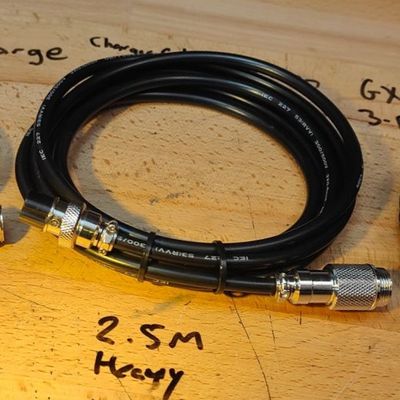
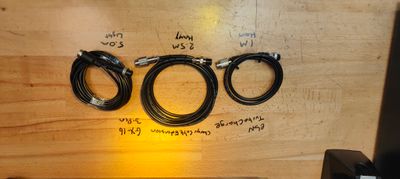
TurboCharge Extension Cable (GX16-3M-F) [1m | 2.5m | 5m)
TurboCharge Extension Cable (GX16-3M-F) [1m | 2.5m | 5m)
Add length to your charger cable
AU$20.91
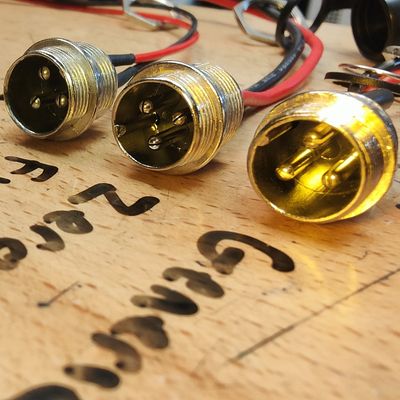
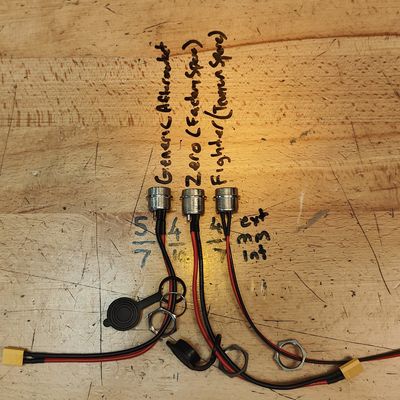
GX16 eScooter Charging Port Connector (3 pin panel socket to XT30 or XT60 / 2&3 pin plug/socket)
GX16 eScooter Charging Port Connector (3 pin panel socket to XT30 or XT60 / 2&3 pin plug/socket)
Suit the common 3-pin eScooters or plug on NAMI charger.
AU$13.64
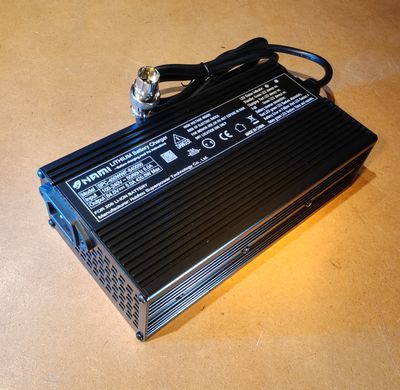
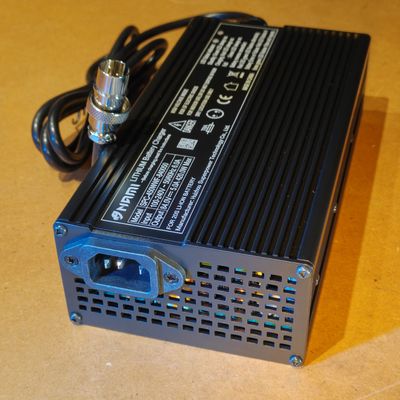
NAMI Burn-e Charger 84V for 72V RGX16-2M 5A
NAMI Burn-e Charger 84V for 72V RGX16-2M 5A
[Alrightpower AP-PF3600CH08400050 | Superpower SPC-450WWF-840050]
AU$254.55
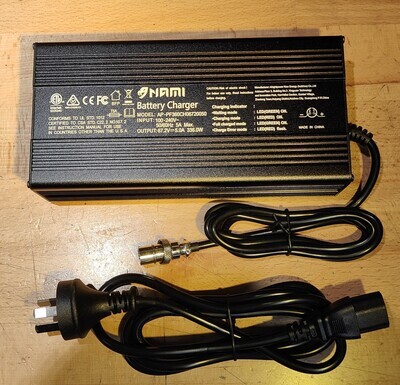
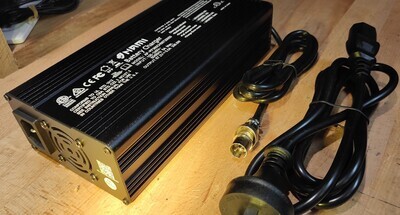
NAMI Klima and Blast Charger 67.2V for 60V RGX16-2M 5A
NAMI Klima and Blast Charger 67.2V for 60V RGX16-2M 5A
[Alrightpower AP-PF3600CH06720050]
AU$177.27
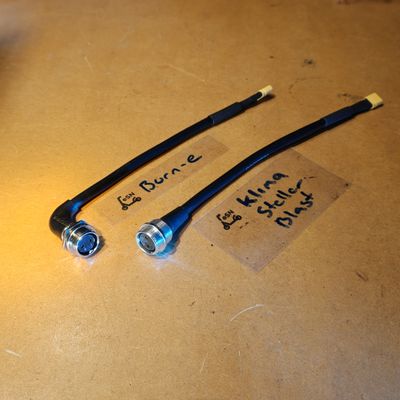
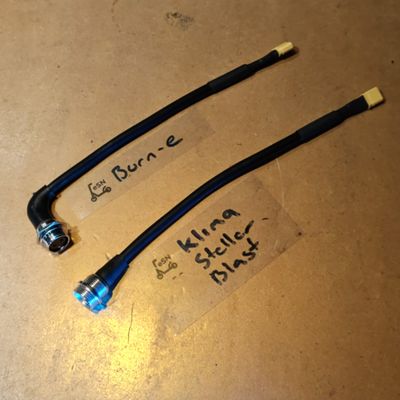
NAMI Charging Port (RGX16 2-Pin)
NAMI Charging Port (RGX16 2-Pin)
Charge socket suits Burn-e, Klima, Stellar & Blast.
AU$17.73
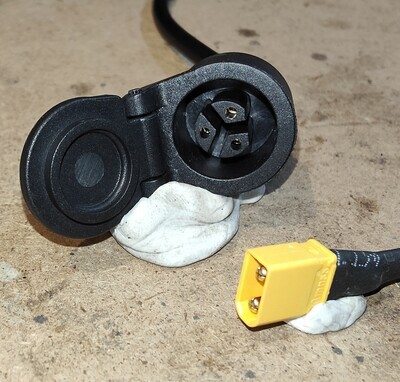
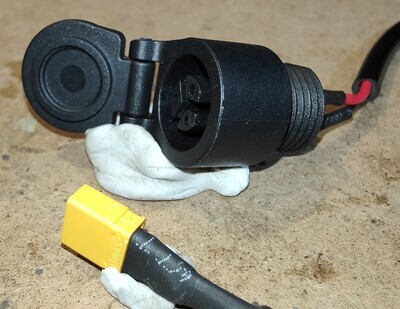
Kaabo Charging Port Kit
Kaabo Charging Port Kit
Newer moulded Kaabo charging port for Mantis and Wolf series. LT 3-pin Female to XT30 Male 20cm with Hinged Cover.
AU$20.00
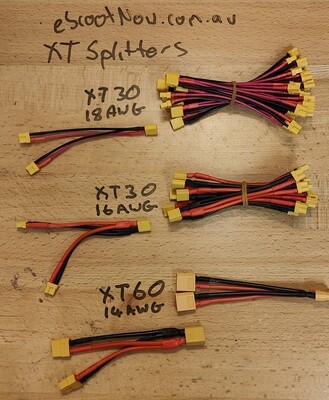
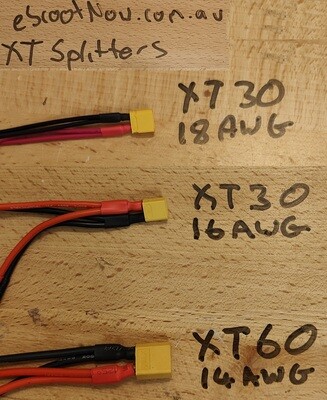
XT30 / XT60 / XT90 Connectors, Prepared Leads, Splitters & Adaptors
XT30 / XT60 / XT90 Connectors, Prepared Leads, Splitters & Adaptors
eScooter Battery Power System Cables (Yellow XT Series)
AU$21.82
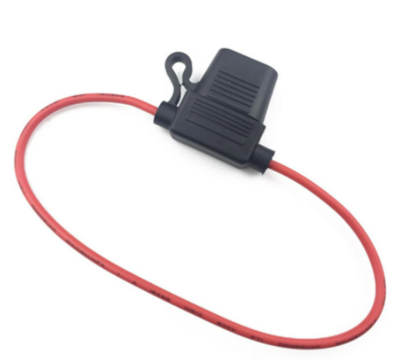
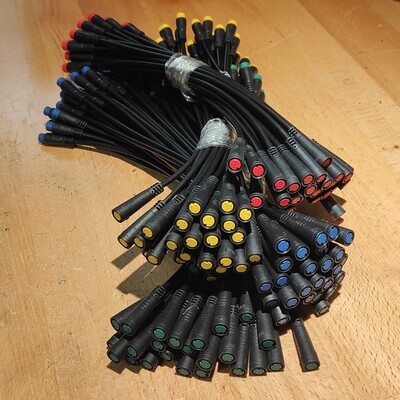
TurboTap M6 & M8 Waterproof "eBike" Cables (Julet / Okfeet / Higo / BMING)
TurboTap M6 & M8 Waterproof "eBike" Cables (Julet / Okfeet / Higo / BMING)
Waterproof Electric bike / eScooter cables for throttle/display, brakes etc
AU$8.18
Display prices in:AUD